
Emergency Mobile RV Repair · Cedar City, Utah
Is It a Real RV Emergency? Mobile Repair Help in Cedar City, Utah
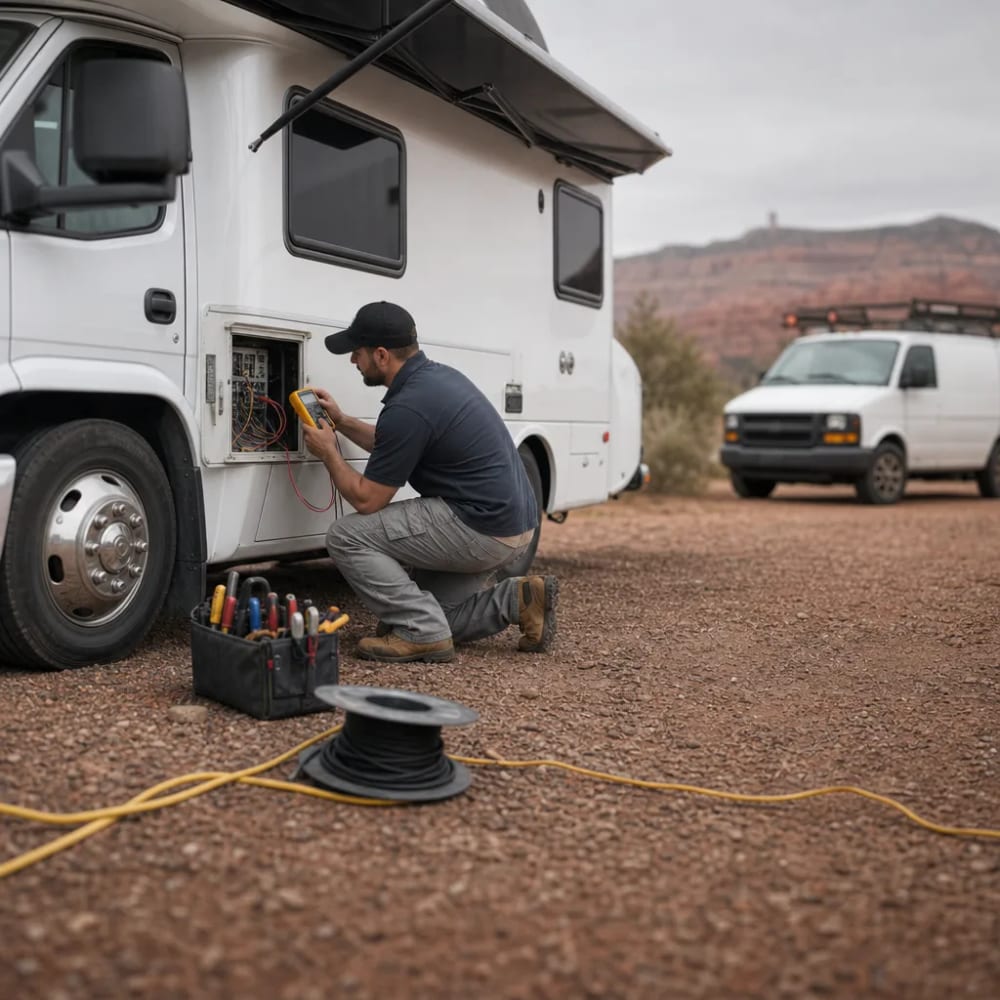
What Counts as an RV Emergency
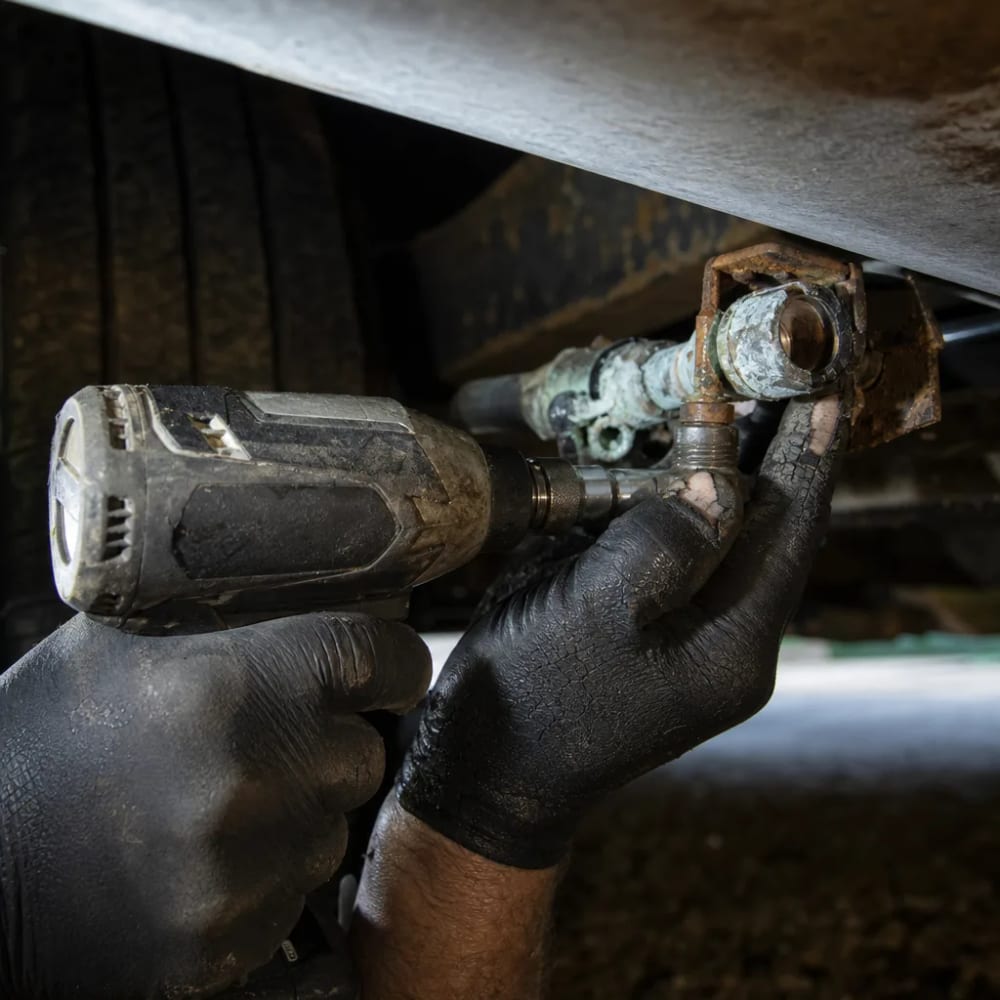
Here's how we sort it out. When someone calls us with a problem, we're really asking three questions. Is it unsafe? Can you live in it tonight? Can you move it when you need to? If any answer is a bad one, that's an emergency. If all three are fine, take a breath. You've got time.
Unsafe means something could hurt you or the rig. A propane smell inside the coach is the big one, and it's a safety problem before it's a repair problem. Burning smells or melted plugs at the shore power connection fall here too. So does a hitch or fifth wheel pin that isn't latching right, or wiring sparking anywhere it shouldn't. Don't sleep on these, literally or otherwise.
Unlivable means you can't reasonably spend the night in it. Cedar City sits high up, and nights get cold, even when the afternoon felt fine. A furnace that quits after dark isn't a minor issue here. Neither is a water line that's spraying under the sink, a dead 12-volt system that kills your lights and pump, or a fridge that's warming up with a week's worth of groceries inside.
Stuck means the rig won't go anywhere. A slide that won't come in, jacks that won't retract, or trailer lights and brakes that stopped working all keep you parked. Cedar City sits right on I-15, and plenty of folks are passing through on a schedule with a campsite booked down the road. A slide stuck out at checkout time counts as an emergency in our book.
Picture this. You pull into a campground after a long day of driving, hit the switch, and the slide goes out fine. Next morning it groans, moves an inch, and stops. You're not unsafe, and you can sleep in it, but you can't leave. That's a real emergency, because the fix comes to you and the trip keeps moving.
Now the honest part. Plenty of things feel urgent but aren't. If your problem is on this list, save the emergency call and book a regular visit:
- One stove burner won't light, but the others work fine
- The TV or Wi-Fi setup is acting up
- A cabinet door is loose or a drawer sticks
- A ceiling vent fan is noisy or quit on a mild day
- One interior light is out
- A drain is slow but still draining
- The A/C is weak on a cool day and you have a working furnace or open windows
None of those will ruin your night. They're annoying, sure, like a rock in your shoe. But you can walk on it until a regular appointment opens up, and you won't pay for the hurry.
If you're stuck in the gray zone and can't tell which side you're on, that's what we're here for. Tell us what you see, hear, and smell. We'll give you a straight answer, even if that answer is that it can wait.
When to Schedule Standard Repair Instead
If your rig passed the safe, livable, and movable test above, a regular appointment is almost always the smarter move. That's not us being lazy. It's just the better deal for you.
Here's why. Across the RV repair trade, emergency and after-hours calls tend to cost more than a scheduled visit. You're paying for the drop-everything part, and sometimes for rushed parts too. When you schedule ahead, the tech can show up with the right part already in hand instead of hunting for one in a hurry. Waiting a few days often means a cheaper, cleaner fix.
These situations almost always belong on the regular calendar:
- The rig is parked at home or in a storage lot and you're not living in it right now.
- You found the problem while getting ready for a trip that's still a week or more out.
- You've got a workable backup, like a house to sleep in or a space heater on a cold night.
- The problem comes and goes and isn't getting worse.
- You're stacking up a list of small fixes and want them all done in one trip.
Picture this. It's early spring, and you roll back the cover on the trailer in the storage lot. You flip on the water pump and find a slow drip under the bathroom sink. Nobody's sleeping in it tonight, and the trip isn't until Memorial Day. That's a scheduled job, not an emergency. Book RV Repair at Home or Storage Lot, and while you're at it, ask about an RV De-Winterization / Spring Start-Up. A small drip found in March is a lot friendlier than a big one found at the campground in May.
Problems that come and go are another good fit for a regular visit. A furnace that quits once a week, or a light that flickers only when the rig rocks, takes patience to track down. Chasing a problem like that is easier without a clock ticking and a family waiting in the truck.
Warranty is the other big one. If your RV is still under a manufacturer warranty and the problem can wait, call your dealer first. We don't currently do manufacturer warranty work, so paying us for a fix the factory might cover isn't a good use of your money. If it can't wait, that's a different story. Your safety comes before the paperwork.
Last thing. The cheapest emergency is the one that never happens. Most roadside breakdowns give you little hints first: a slow slide, a hitch that's harder to latch, a battery that's weaker every morning. A Pre-Trip RV Inspection or regular RV Preventative Maintenance catches that stuff while you're still in the driveway. That's a lot better than finding it on the shoulder of I-15 with a camp reservation slipping away.
So if you can wait, wait. Your wallet will thank you, and so will your schedule.
Who Responds to Your Emergency Call
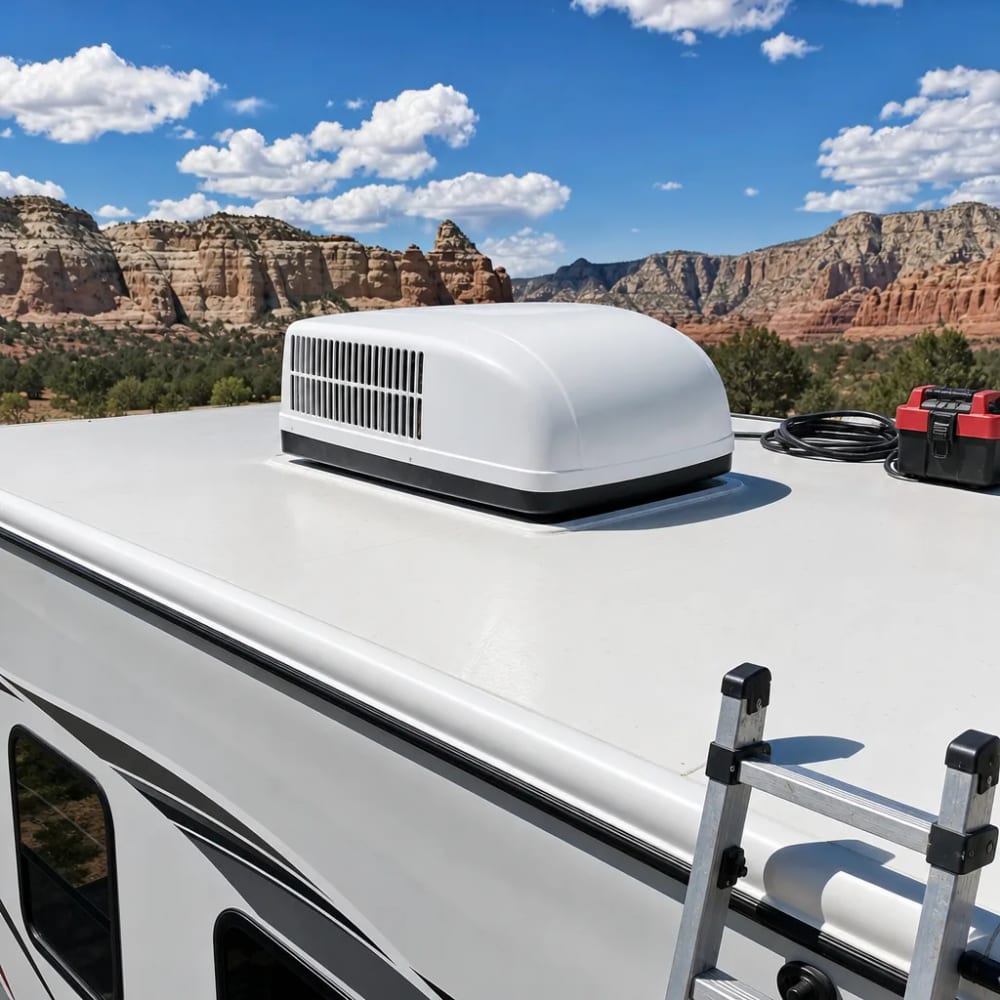
When your slide's stuck or the furnace quit at 10 p.m., you don't want a call center. You want someone who knows RVs and will tell you the truth. Here's who that is at Benny's RV.
Our owner is the lead technician, the head of sales, and the main point of contact for customers. The person helping you figure out whether this is a real emergency is the same person who knows how to fix it. Nothing gets lost between a front desk and a back shop, because there's no game of telephone.
His start in this business wasn't glamorous. He began as a lot porter at Johnny Walker RV, washing trailers to pay for college. Turns out you learn a lot about a rig when you've scrubbed bug guts off a few hundred of them. He liked the work enough to stay, and over 15 years he moved through sales, sales management, and serving as general manager of three locations.
That path matters when you're stuck. Someone who's only seen RVs from under the chassis knows parts. Someone who's also sold them, managed the people who serviced them, and run whole dealerships knows how RVs get used, how owners get into trouble, and which problems are worth a hurry. That's the background behind the honest sorting we talked about earlier, where some calls get an answer of "this can wait."
On the technical side, here's what's behind the work:
- RVTI Certified Technician
- 15+ years of hands-on experience in the RV industry
- Lead technician on the jobs, not a manager sending someone else
After starting a family, he moved to Cedar City and started Benny's RV to offer mobile RV technician services. We're not a chain that dropped a pin on the map. We live here and deal with the same cold high desert nights and I-15 traffic you do.
His wife runs the office and marketing. She handles setting appointments, keeping the calendars straight, and sending invoices. If you're booking a regular visit, she's often the one keeping it organized, which is a big part of why the tech can stay focused on your rig instead of a spreadsheet.
One more thing so nobody's surprised. We don't currently take on manufacturer warranty work, so if your rig is covered and the problem can wait, your dealer is the first call. If it can't wait, call us.
So here's the deal. If your RV is unsafe, unlivable, or stuck, or you can't tell, call us. Tell us what you see, hear, and smell. You'll get a straight answer from someone who's worked on RVs from the wash bay to the general manager's office, and if it's a real emergency, we'll talk through getting the fix to you.
Stuck, cold, or not sure if it can wait? Call Benny's RV and talk it through with our lead tech.
Call nowWhere This Service Reaches You
Mobile repair means you don't have to get a broken rig to a shop. That's the whole point. If your slide won't come in, you can't exactly tow it across town with one wall sticking out like a sore thumb. The fix comes to wherever the RV is parked.
For most folks, that's one of three places.
- A campground or RV park. You're on a trip, the problem showed up, and you're not going anywhere until it's handled. We offer On-Site Campground RV Repair for exactly this.
- Your driveway or yard at home. The rig is right there, but something's keeping it from being safe or ready to roll.
- A storage lot. You came to pick it up for a trip and found a problem you can't drive away with. We do RV Repair at Home or Storage Lot, too.
Each spot has its own little quirks, and a minute of prep on your end can save real time once the work starts.
At a campground, have the park name and your site number ready. Some parks have rules about repair work on a site, so a quick word with the office never hurts. It also keeps your neighbors from wondering why a stranger is crawling under your trailer at breakfast.
At a storage lot, the gate is usually the hold-up. Know the lot's name, your space number, the gate code, and the lot's access hours. A locked gate has stopped more repairs than any bad part. If the lot needs you there to let someone in, plan on that.
At home, think about access. Is the problem on the side facing the fence? Is a boat, a truck, or a pile of firewood parked where someone needs to stand? Clear a path to the problem area and you're ahead of the game.
No matter where you are, a few things help when you call:
- Exactly where the rig is sitting, including site or space numbers
- The year, make, and model of the RV
- What changed right before the problem started, like a bumpy road, a storm, a new campsite, or plugging into a different pedestal
- Whether you're hooked to shore power, running on batteries, or using a generator
That last one matters more than people think. A lot of power problems look totally different depending on what the rig is plugged into. If your lights died the minute you hooked up at a new park, that's a clue worth mentioning.
While you wait, do the small stuff that protects your stuff. If the fridge is warming up, move the food to a cooler. If a water line is leaking, shut off the pump or the city water connection. If a slide is stuck, don't keep hitting the switch and hoping. That rarely fixes it and sometimes makes it worse.
Not sure if where you're parked is somewhere we can work? Ask. Tell us where you are and what's going on, and we'll give you a straight answer, the same way we sort out whether it's an emergency in the first place.
Stuck at a campground, your driveway, or the storage lot? Call Benny's RV, tell us where the rig is, and we'll figure out the next step together.
Call Benny's RVSystems Most Likely to Fail in a High-Desert Climate
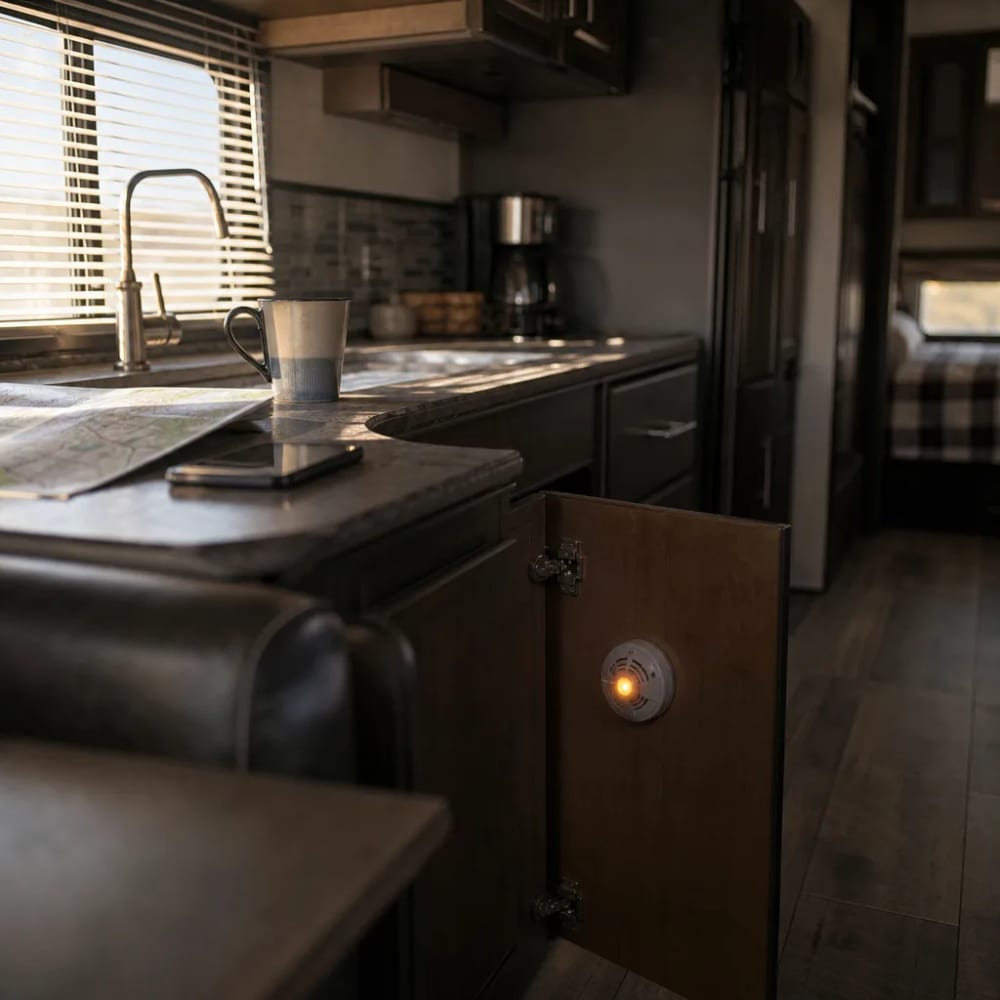
The high desert is hard on RVs in its own special way. Here the trouble is less about humidity and more about cold nights, dry air, strong sun, dust, and big temperature swings between afternoon and midnight. Those conditions don't break everything. They pick on a few systems over and over, and once you know which ones, you can usually catch trouble before it leaves you cold or stuck.
Heat and power at night. This is the pair that teams up on people. Your furnace runs on propane, but its blower and controls run on 12-volt battery power. Cold makes batteries weaker, and a furnace cycling all night pulls a lot from them. So here's how it goes: the batteries are a little tired, the night gets cold, the furnace runs harder, and around 3 a.m. the battery sags low enough that the furnace quits. You wake up cold and blame the furnace, but the real culprit might be the battery, or both. If your lights dim when the furnace kicks on, or the battery seems weaker every morning, pay attention. We handle RV Furnace Repair and RV Battery Replacement and Testing, and it's often worth checking both together.
Water lines on cold nights. A warm afternoon can fool you into leaving water in the lines. Then the temperature drops after dark, and exposed lines, fittings, and the water pump take the hit. A cracked fitting usually doesn't show itself until things warm up and start dripping, or spraying. Spring and fall are the sneaky seasons for this, because the days feel mild. RV Winterization keeps that from happening when the rig is parked for the season.
The roof. Strong sun and daily heat-and-cool cycles work on roof sealant year-round. It dries out, shrinks, and cracks around vents, skylights, and the A/C unit. A dry climate hides the problem because there's no rain to show you the leak. Then a summer storm rolls through, and suddenly there's a water stain on the ceiling. If you haven't looked at your roof sealant in a while, RV Roof Resealing is cheap insurance compared to rotted wood.
Tires. Sun dries out rubber even on tires with plenty of tread left. An RV that sits a lot can show cracks in the sidewalls long before the tread wears down. Add a loaded rig and long highway miles on I-15, and a tired tire can let go at the worst time. Look for small cracks in the sidewall. RV Tire Inspection and Replacement covers it.
Cooling in summer. The A/C works hard in the afternoon heat, and dust doesn't help. Clogged filters and dirty coils make it run longer while cooling less. That alone isn't an emergency on a mild day, but it can become one on a hot afternoon with pets or kids inside. RV Air Conditioner Repair handles that.
Slides and leveling. Dust and grit work into slide mechanisms, seals, and leveling jacks. Things start to groan, move slow, or hesitate. Those are the early hints. Ignore them long enough and you end up with the stuck slide at checkout time from earlier.
The common thread is that high-desert failures almost always give you a warning first: a weaker battery, a dry roof seam, a cracked tire, a slow slide. Catch it while you're still parked, and it's a scheduled fix instead of a midnight call.
Frequently Asked Questions
What exactly does mobile RV repair mean?
It means the technician comes to your RV instead of you hauling it to a shop. That matters most during an emergency, since a rig with a stuck slide or dead power system often can't be towed anywhere safely. The work happens wherever you're parked, whether that's a campground site, your driveway, or a storage lot.
How do I find a mobile RV tech I can trust for an emergency?
Look for someone who answers about whether your problem is really urgent, not just someone who says yes to every call. Ask how long they've worked on RVs and whether they're the one doing the repair, not just dispatching someone else. A tech who asks good questions about your rig, like what changed right before the problem started, is sorting out the real issue instead of guessing.
What do mobile RV technicians usually charge compared to a shop?
Mobile techs typically charge for the drive to you on top of the repair itself, since they're bringing the shop to your location. Across the industry, emergency or after-hours calls usually cost more than a scheduled daytime visit, because the tech has to drop other work and sometimes rush to get parts. That's why a problem that can safely wait, like a slow drain or a loose cabinet door, almost always costs less fixed on a regular appointment.