
RV Air Conditioner Replacement · Cedar City, Utah
RV Air Conditioner Replacement in Cedar City, Utah: Repair or Replace, Decided On-Site
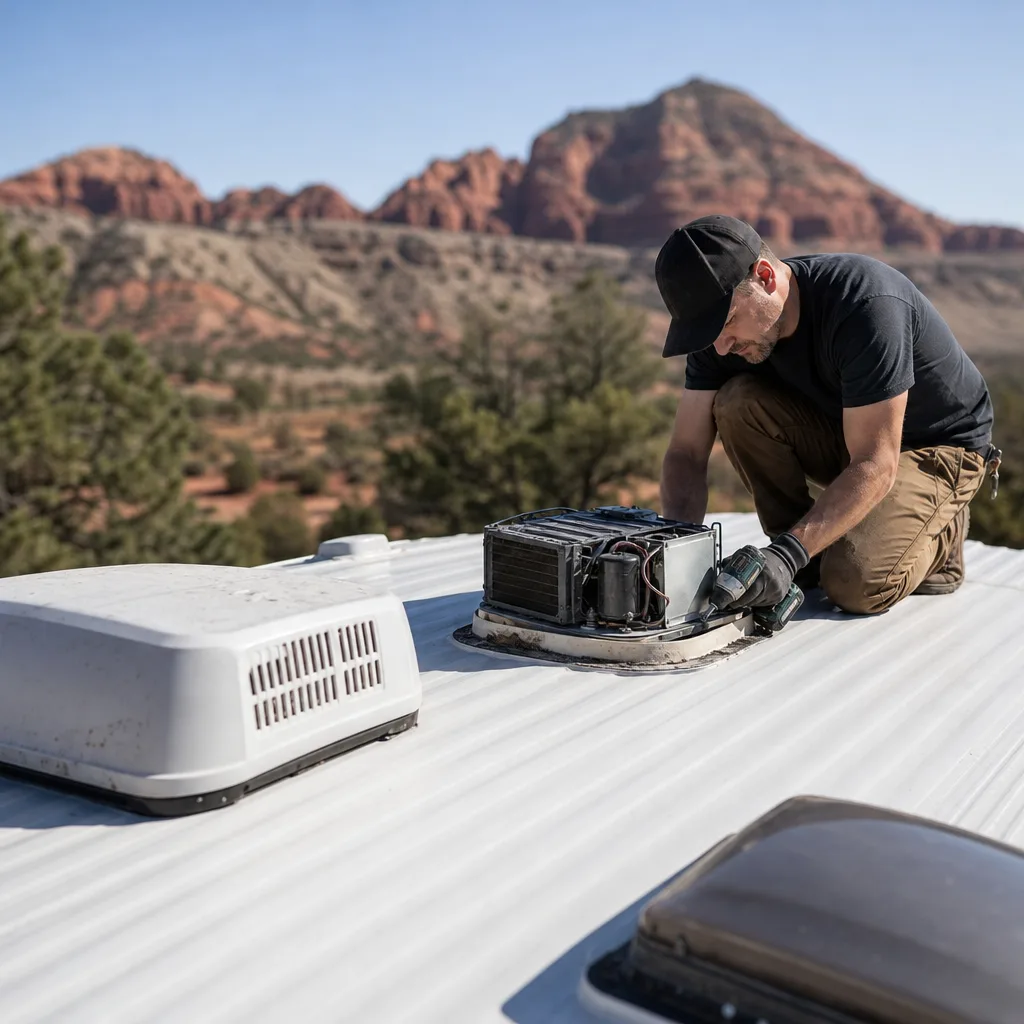
Deciding Between Repair and Replacement
Here's the honest truth. A dead RV air conditioner isn't always a dead air conditioner. Plenty of units that look done are one small part away from blowing cold again. Before anyone sells you a new rooftop unit, the old one should get a real diagnosis. A guess based on how old it looks doesn't count.
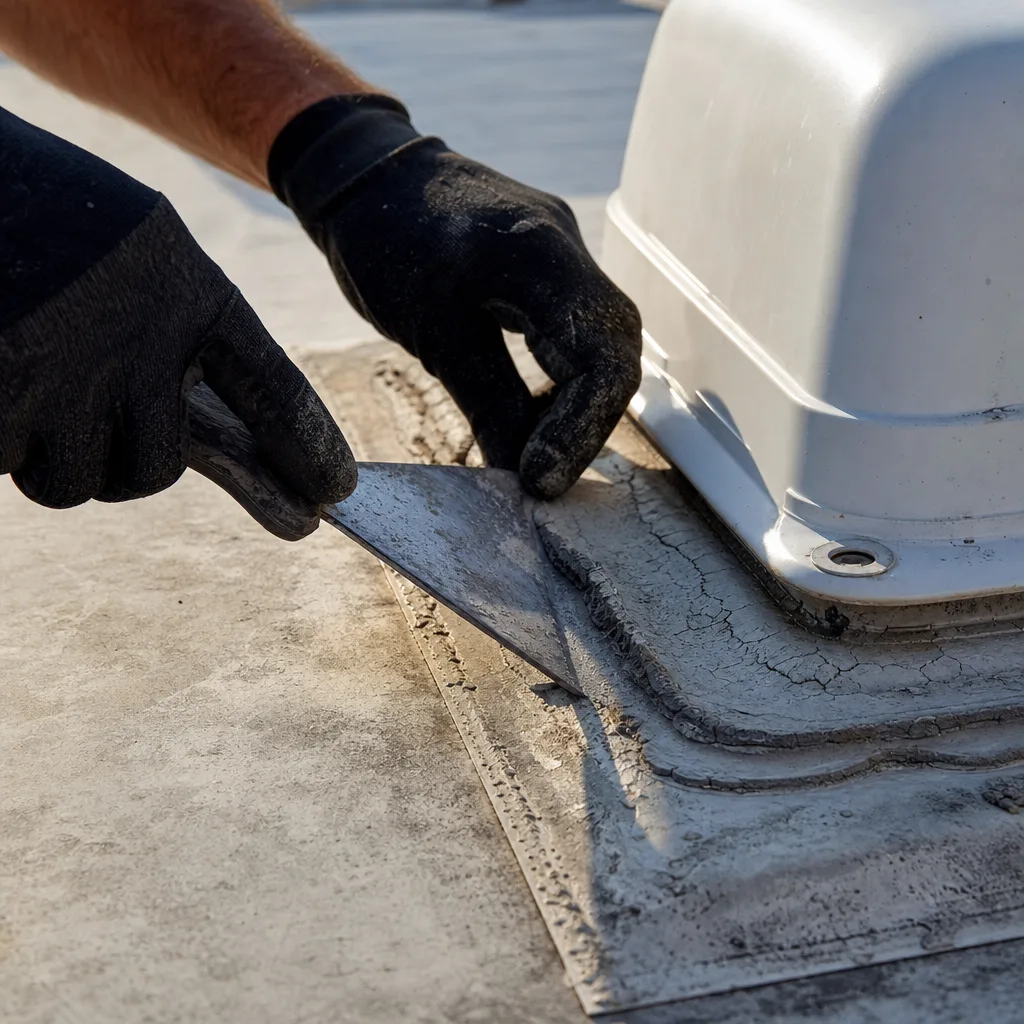
These problems usually point to repair:
- The fan runs but the compressor won't kick on. A weak start or run capacitor is a common reason, and it's a small part.
- Nothing happens at all. That can be a thermostat, a control board, a tripped breaker, or a power problem that has nothing to do with the air conditioner itself.
- It runs but barely cools. Dirty filters and clogged coils choke airflow. Cleaning them can bring back a lot of cooling.
- It's loud, rattles, or squeals. That's often a fan motor, a loose shroud, or a bent fan blade.
- The plastic shroud on the roof is cracked. That's an annoying part to replace, but it's only a part.
If that list sounds like your rig, our RV Air Conditioner Repair page covers those fixes.
These problems usually point to replacement:
- The compressor is shot. It's the heart of the unit, and replacing it alone rarely pencils out.
- There's a refrigerant leak. Most RV rooftop units are sealed systems. They aren't built to be opened up and recharged like a car or a house unit.
- The base pan is cracked or warped. That's the part sealing the unit to your roof. If it's failing, you're inviting water inside.
- It's older and you're on your second or third repair in a couple of seasons. At some point you're paying rent on a unit you don't own anymore.
- It never really kept up, even when it worked. Sometimes the unit is undersized for the rig, and a new one is the real fix.
One more thing to check first is power. Low or unstable voltage, like a tired campground pedestal or a bad cord end, can make a good air conditioner act sick. It can also wear out the compressor early. If you replace the unit and leave the power problem alone, the new one gets the same treatment. Our Shore Power and 30/50 Amp Repair page has more on that.
Here's a simple way to make the call. Think about three things: what's broken, how old the unit is, and how many times you've already paid to fix it. A single bad capacitor on a younger unit is an easy repair. A failed compressor on a unit that's already been patched twice means it's time to let it go. Nobody needs a third shot at the same cooked unit in July.
We're an RVTI Certified Technician shop with 15+ years in the RV industry. We'd rather tell you a part will fix it than sell you a whole unit you didn't need. And if it really is time for a new one, we'll say that straight too.
Signs Your RV AC Needs Full Replacement
You don't need gauges to get a good hint that your air conditioner is in real trouble. Your ears, nose, and hands pick up most of it first. None of these signs is a final verdict, but each one points toward the failures covered above, the kind that make a new unit the smarter buy.
Here's what to watch for:
- A hum, a click, then a tripped breaker. The compressor tries to start, can't, and pops the breaker or the pedestal. If a new capacitor doesn't stop it, the compressor itself may be seized.
- The fan blows hard but the air is room temperature. Clean filters, good power, and still no cold air often means the refrigerant is gone or the compressor isn't pumping.
- Oily stains under the shroud. Refrigerant carries oil with it. A greasy film around the copper tubing or on the base pan is a classic leak sign, and on a sealed system, a leak usually means it's done.
- Frost or ice on the coils even with clean filters. Ice can come from poor airflow, but when the airflow checks out, low refrigerant is the usual suspect.
- Water dripping from the ceiling grille. Sometimes it's just a clogged drain or a tired roof gasket. If the base pan underneath is cracked or warped, though, that water is headed into your ceiling.
- A burning or electrical smell. Shut it off. Melted wiring or a cooked compressor isn't something to run "just one more night."
- It cools in the morning and loses the fight by afternoon. A healthy unit that's the right size holds its ground. One that gives up every afternoon is either worn out or was never big enough.
That last one fools a lot of people. A hot summer afternoon in Cedar City, with your rig parked in full sun, is the real test. A unit that's slowly losing refrigerant or wearing out its compressor can coast through cool mornings and then fold right when you need it most. If it's been getting a little worse every summer, believe that trend.
Age matters, but it isn't a sign by itself. An older unit that still blows cold and draws normal power isn't a problem just because of its birthday. An older unit showing two or three of the symptoms above is a different story.
One word of caution: don't keep resetting a breaker that keeps tripping. Each hard start puts more strain on a compressor that may still be saved, and it's rough on your wiring too. Turn the air conditioner off, open the vents, and let someone test it before you decide anything.
When You Don't Need a Replacement
Sometimes the right answer is "don't buy one yet." We'd rather tell you that now than have you spend money on a unit that won't fix what's bugging you.
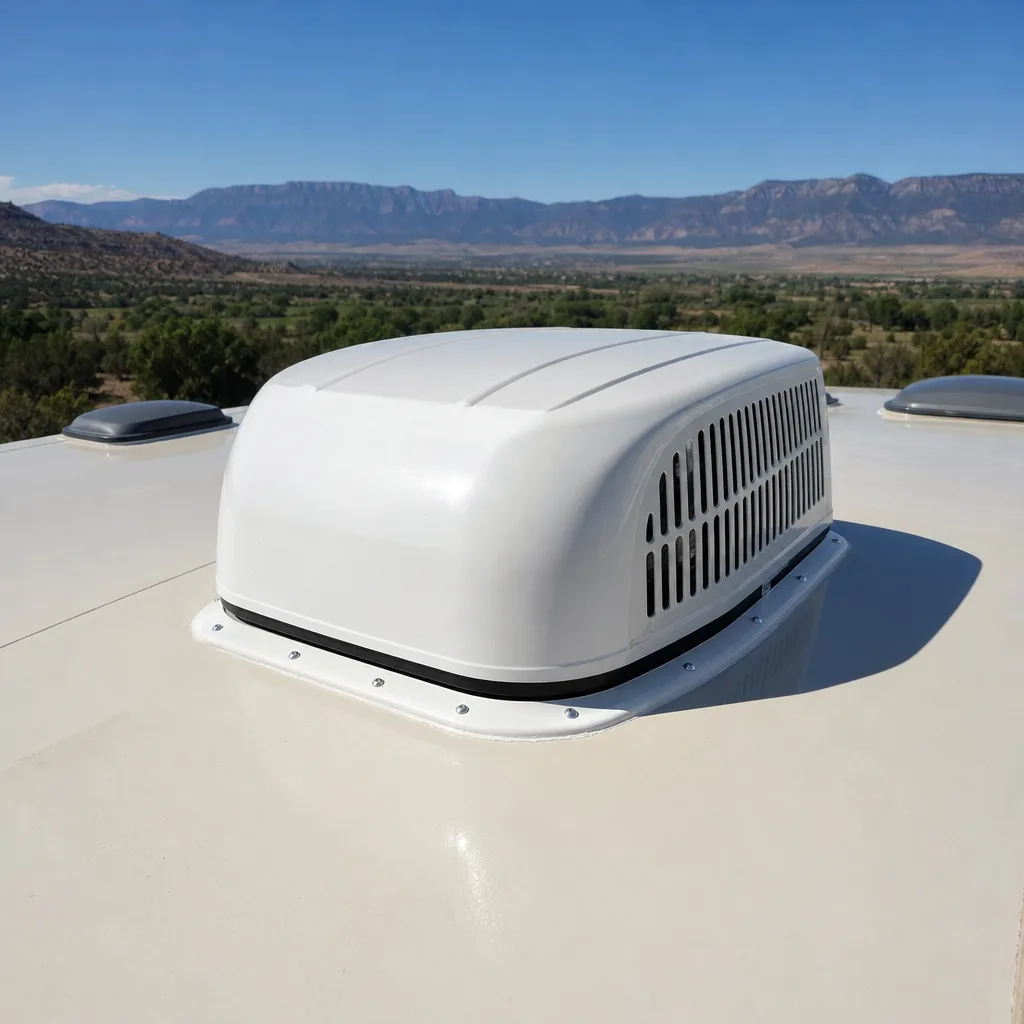
Here's the big one. A lot of "my AC can't keep up" calls aren't about a broken air conditioner at all. They're about heat getting into the rig faster than any rooftop unit can push it out. A healthy RV air conditioner cools the air that's already inside. It can't beat a black dash soaking up sun, a big slide-out window facing west, and a door that opens every five minutes for the dog. If your unit blows cold air at the vent but the coach still feels warm by mid-afternoon, try these first:
- Park so your biggest windows face away from the afternoon sun when the site allows it.
- Put the awning out and close the shades on the sunny side. A windshield cover on a motorhome makes a real difference.
- Turn the air on early in the day. It's much easier to hold a cool rig than to cool a hot one at 3 p.m.
- Cook outside or on the grill when it's hot. Running the oven and the AC at the same time is a tug-of-war, and the oven usually wins.
- Keep the door traffic down. Every trip outside lets a fresh load of heat in.
If those changes make the afternoons comfortable, your unit was never the problem. Congratulations, you just saved yourself a roof job.
Timing is the next one. If your air conditioner quits at the end of the season and you're about to put the rig away, there's no reason to rush. In Cedar City, cooler fall nights mean you can often get by with open vents and a fan until the trip's over. Turn the unit off, leave it alone, and have it tested before next summer. You'll make a calmer decision in April than in a heat wave, and you won't pay for an urgent job.
Your plans for the rig matter too. If you're selling it soon or it only gets used a weekend or two a year, a new rooftop unit may not be worth the money. A repair, or even selling it as-is with an honest note about the air, can make more sense. Just be upfront with the buyer. Nobody likes finding out in July.
And if your rig is still under its manufacturer warranty, check that coverage before you pay anybody. We don't currently do manufacturer warranty work, so in that case your dealer is the right first call, not us. Paying out of pocket for something the warranty might have covered stings for a long time.
Last, don't replace a unit just because a neighbor at the campground said it sounded "about done." Campground diagnoses are free, and they're usually worth every penny. A real test of the compressor, the power, and the airflow tells you more than any guess, and sometimes the answer is that you've got a few more good summers left in the one you have.
Mobile Replacement at Your Campground, Storage Lot, or Home
So the test is done, and the old unit really is finished. Good news: your rig doesn't need a road trip to get a new air conditioner. Benny's RV is a mobile RV technician service based here in Cedar City. We can do the work at your campsite, your storage lot, or your driveway at home. Nobody wants to tow a hot trailer across town just to make it hotter.
A rooftop swap isn't a mystery, but it's more than just swapping one box for another. A proper replacement covers these steps:
- Taking the old unit and the ceiling assembly off, then cleaning the roof opening down to a good surface.
- Checking the roof around the opening. With the unit off, soft spots or old water damage are easy to see. It's a lot better to catch them now than after the new unit is sitting on top of them.
- Setting the new unit on a fresh roof gasket and tightening the mounting bolts evenly. If they're too loose, it leaks. If they're too tight, the gasket squishes and leaks anyway.
- Matching the new unit to your rig. That means the right cooling size for your coach and the right setup for a ducted or non-ducted ceiling.
- Hooking up the wiring and thermostat, then running the unit long enough to confirm cold air at the vents, steady power draw, and no tripped breakers.
If the roof around the opening needs more than a little cleanup, that's a separate fix. Our RV Roof Resealing page covers it.
There are a few things you can do before the appointment to make the day go faster:
- Snap a photo of the data plate on the old unit. It's usually under the shroud or behind the ceiling grille. Also get a photo of the ceiling assembly inside.
- Make sure there's working shore power at the site. A new unit has to be tested on real power, not on hope.
- Leave clear space around the rig and a clear path to the roof. Move the bikes, the kayak rack, and the camp chairs out of the way.
- Check the rules if you're at a storage lot or campground. Some places limit on-site work or need a heads-up first. A quick call to the office saves an awkward conversation later.
- Clear the area under the ceiling opening inside so nothing gets bumped or dusty.
After the install, keep an eye on it for the first few trips. The ceiling should stay dry after the first good rain. The breaker should stay put. The unit should keep up on a hot afternoon, not just a cool morning. If it does all three, you're set.
One more tip. Please don't climb up there to help lift. A heavy unit, a slick roof, and a ladder are a bad mix, and we'd rather replace your air conditioner than explain things to your spouse.
When you call, you'll talk to the owner. He's an RVTI Certified Technician with 15+ years in the RV industry, and he's the lead tech on the job. If you're not sure yet whether you need a repair or a replacement, that's fine. Tell us what you've noticed and we'll help you sort it out.
Call Benny's RVWhat Happens During a Replacement Visit
Most of the install work is covered above. What catches people off guard is the set of choices that comes before anyone picks up a wrench. Those choices decide whether the new unit fits your rig and the way you camp, and they drive most of the bill.
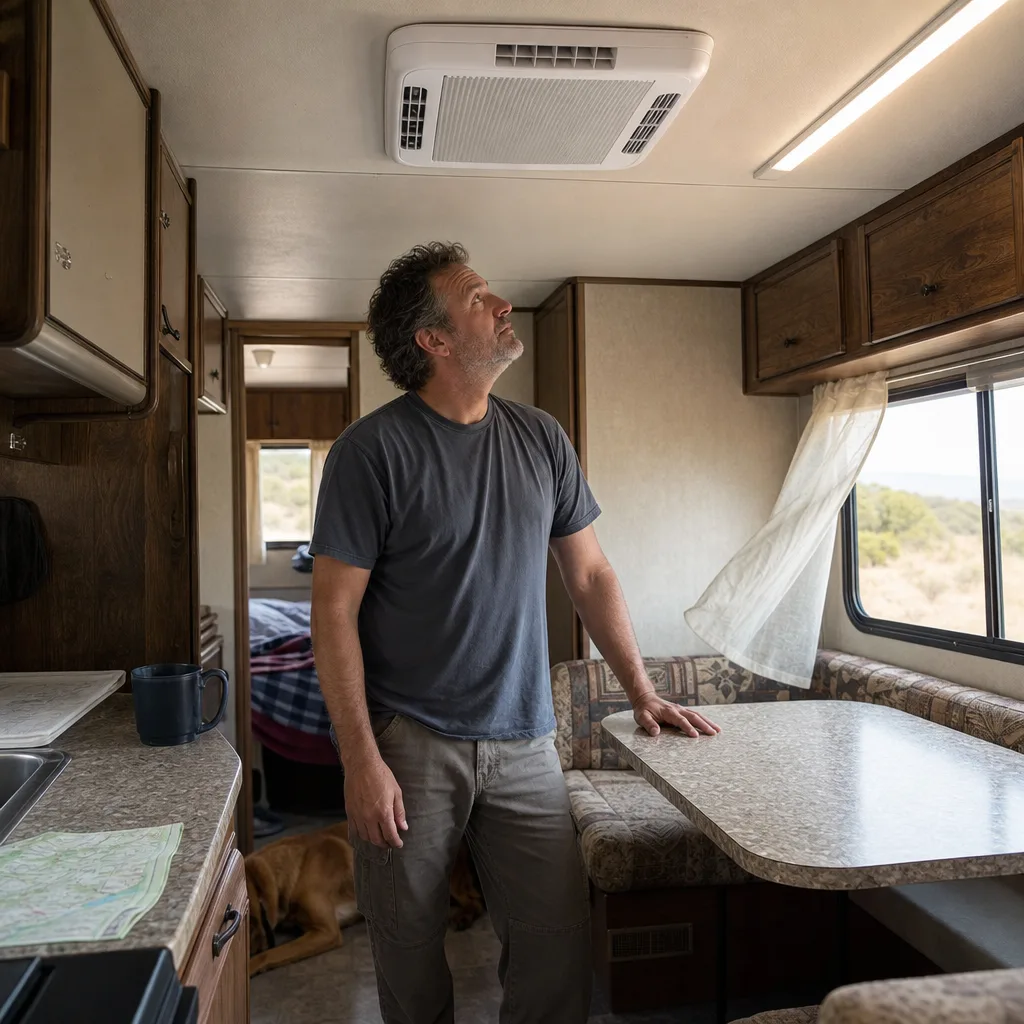
Here are the main things to decide:
- Cool-only or heat pump. A heat pump model can take the chill off on cool spring and fall mornings, which saves some propane. Once it gets close to freezing it doesn't do much, so your furnace still does the real work in winter.
- Cooling size. Bigger isn't always better. An oversized unit pulls more power, and on a 30 amp rig it can fight the microwave and water heater for the same breaker. The right size is the one that fits your coach and your power.
- Ducted or non-ducted. The new unit and ceiling assembly have to match how your rig moves air. If you pick the wrong one, your bedroom vents end up doing nothing.
- Standard or low-profile. Height matters if you park under a storage cover or squeeze under fuel station canopies. An extra few inches on the roof is easy to forget until you hear it.
- Soft start. This add-on helps the compressor start more gently. It's worth asking about if you run on a small generator or camp at sites with tired pedestals.
Picture a couple with a 30 amp travel trailer who buy the biggest unit they can find because last summer was miserable. Now the breaker trips every time someone makes coffee. The unit isn't bad. It just wasn't the right fit. A few minutes spent matching the unit to the rig saves that headache.
In this trade, replacement pricing usually comes in two parts: the unit itself and the labor to swap it. The unit is almost always the bigger piece. These things push the total up or down:
- Whether the old ceiling assembly can stay or has to be replaced to match the new unit.
- Heat pump versus cool-only, and the cooling size you choose.
- Roof damage found once the old unit comes off.
- Thermostat compatibility. Some newer rigs use control systems that need a matching thermostat or board.
- Rig height and roof access. A tall fifth wheel is more work than a small trailer.
- Doing two units at once versus one.
Before you agree to any replacement, from us or anyone else, ask these questions:
- Does the quote include the unit, or just the labor?
- Is a new roof gasket included?
- Will my current thermostat and ceiling assembly work with the new unit, or do they need replacing?
- What happens to the price if you find soft roof or water damage?
- Who hauls away the old unit?
Clear answers up front mean no surprises on the invoice. A good tech won't mind the questions. If someone gets cagey about what's included, that tells you something too.
Frequently Asked Questions
How long does an RV air conditioner replacement take?
A single rooftop swap usually takes a few hours once the old unit is off and the roof checks out clean. It can take longer if we find soft roof decking under the old base pan or if the ceiling assembly needs to be matched to a new unit. Having a photo of your old data plate ready before the appointment helps speed things along.
Can you replace my RV air conditioner while I'm parked at a campground?
Yes, replacement work can happen at your campsite, storage lot, or driveway at home since this is a mobile service. You just need working shore power at the site so the new unit can be tested on real power, not just guessed at. It's worth a quick call to the campground or storage office first, since some sites limit on-site repair work.
What size RV air conditioner do I need for my rig?
The right size depends on your coach and your power setup, not just picking the biggest unit available. An oversized unit on a 30 amp rig can trip the breaker when it's fighting the microwave or water heater for power. Matching the cooling size to your rig and amp service avoids that headache down the road.
Should I get a heat pump or cool-only RV air conditioner?
A heat pump can take the chill off cool spring and fall mornings and save some propane, but it loses effectiveness near freezing. Your furnace still does the real winter heating work either way. If you mostly camp in warm weather, a cool-only unit may be all you need.