
RV Seasonal Inspection Membership · Cedar City, Utah
RV Seasonal Inspection Membership in Cedar City, Utah
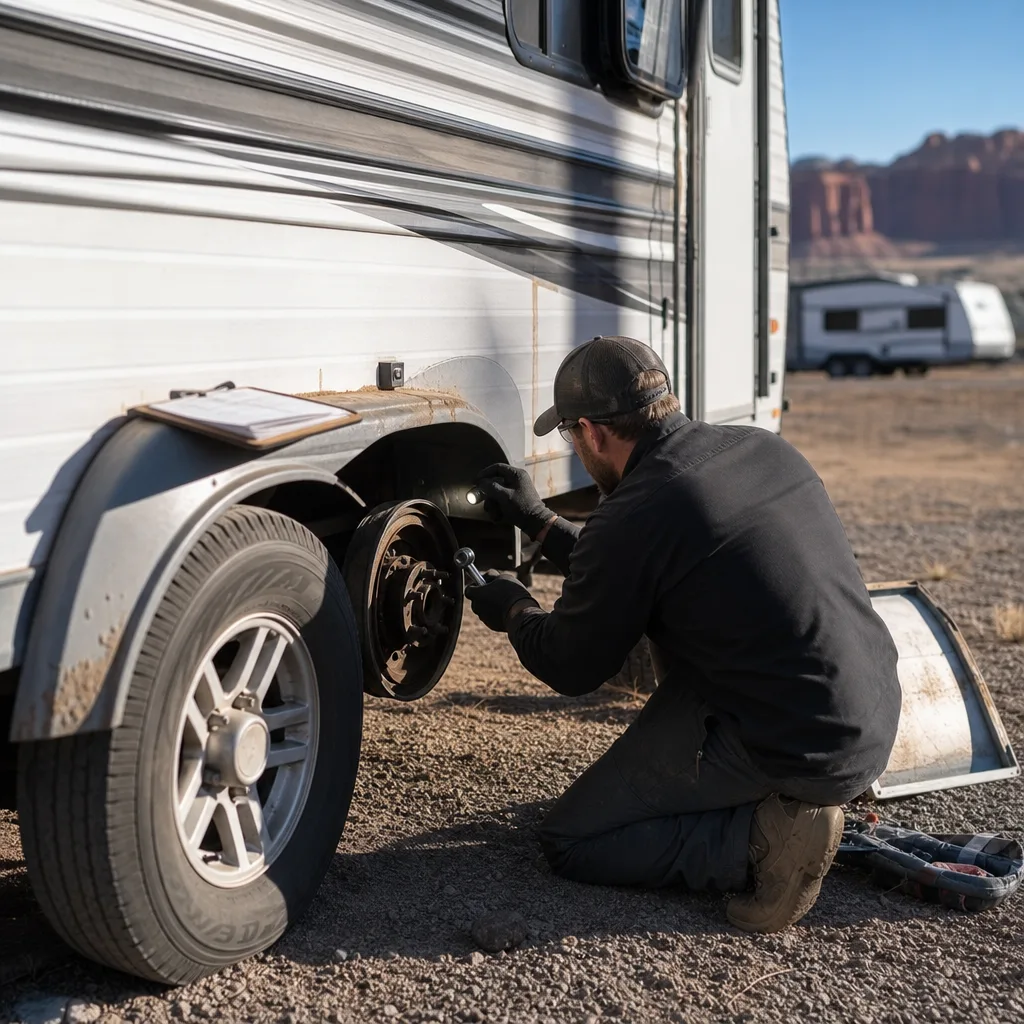
One Annual Check Is Not Enough in a High-Desert Climate
Here's the problem with a single yearly inspection: it's a snapshot. It tells you your rig was in good shape on that one Tuesday in April. It doesn't tell you what happened in July or what's coming in October. That's the whole reason an RV Seasonal Inspection Membership makes sense here. In a high-desert town like Cedar City, the weather doesn't do one big thing to your RV. It does several different things across the year, and each one goes after a different part of the rig.
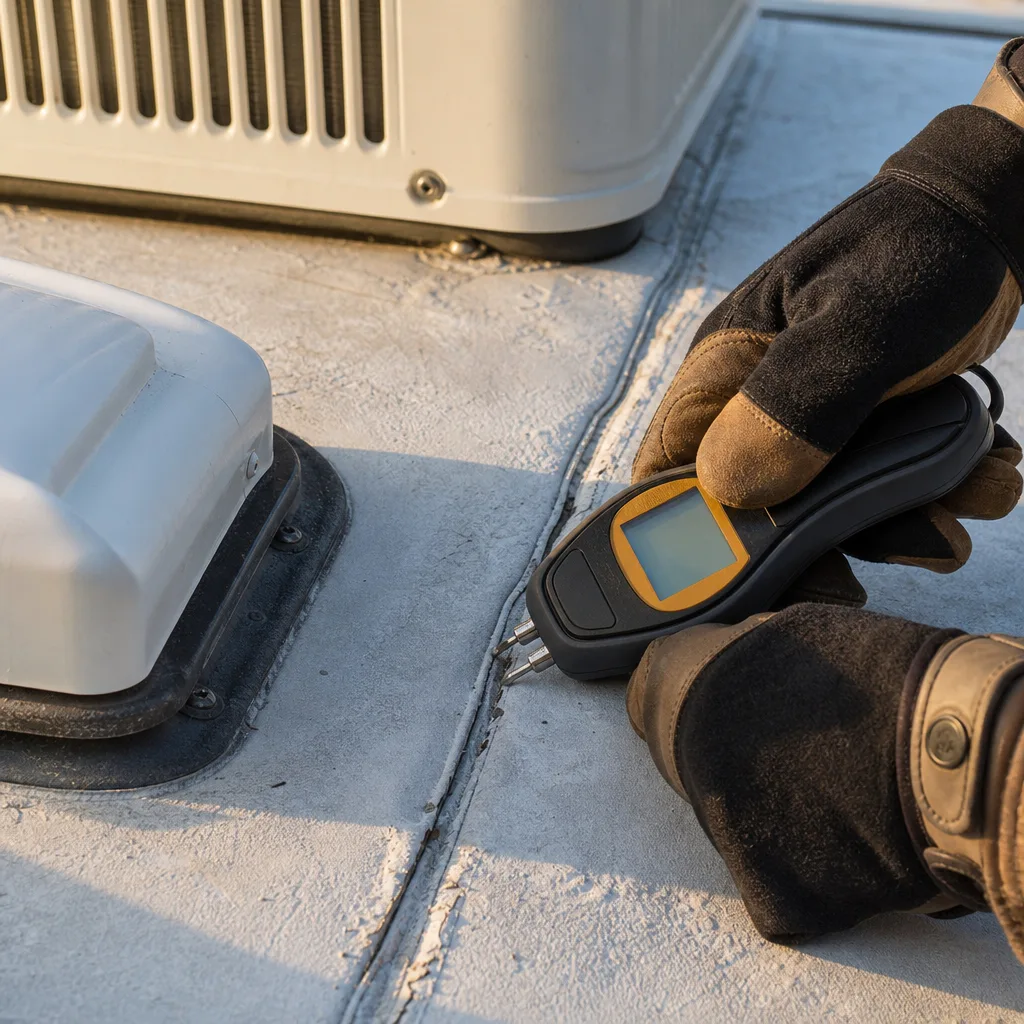
Here's how the year usually breaks down for an RV around here:
- Fall into winter: Freezing nights show up before the days feel cold. Water left in the lines, the pump, or the water heater can freeze and split fittings. Check before the first hard freeze, not after you find a puddle under the bathroom sink.
- Spring: The thaw shows you what winter did. You might find cracked lines, batteries that sat all winter and drained flat, or a furnace that worked hard for months. Mice like to move in over the cold months too. They pay no rent and love chewing wiring.
- Summer: High-desert sun is rough on roof sealant, rubber seals, and tires. Sealant that looked fine in spring can crack by late summer. The heat also makes your AC and fridge work their hardest right when you need them most.
- All year: Wind, dust, and big swings between daytime and nighttime temperatures make materials expand and shrink over and over. That slowly works seams, seals, and fasteners loose.
Picture a guy who gets his travel trailer checked every April. It passes. Roof's good, plumbing's good, everything's good. He parks it on a storage lot for the summer and takes it out twice. In October he opens the door and sees a brown stain on the ceiling next to the roof vent. The sealant around that vent cracked sometime in the summer heat, and a late-summer storm or two did the rest. Now he's got soft wood and a much bigger repair than a tube of sealant.
His April inspection wasn't wrong. It was just six months old.
That's why we think about inspections by season. When you check matters just as much as what you check. Looking for freeze damage in July is like shopping for a snow shovel during a heat wave. It's not wrong, it just won't help you much. A good seasonal check looks at the systems the next few months will hit hardest, so small problems get fixed while they're still small.
After more than 15 years around RVs, our team will tell you the expensive repairs rarely come out of nowhere. They usually start as a small crack, a slow drip, or a weak battery nobody looked at in time. Catching those early protects the rig and keeps your weekends free for camping instead of repairs.
If you already know you need one specific job, RV winterization, de-winterization and spring start-up, and RV roof resealing each have their own page. Seasonal inspections are about making sure jobs like those happen at the right time of year, before the weather gets there first.
What a Seasonal Membership Visit Covers
A seasonal visit is a hands-on walk through your whole rig, with extra attention on the systems the next few months will hit hardest. Some things get checked every single time, no matter the month. Others change with the season. Since we're a mobile service, you don't have to hitch up and haul the RV anywhere just to find out it's fine.
Here's what a solid inspection should cover on every visit:
- Propane system: a leak check on the lines and fittings, plus a look at the regulator. This one's about safety first and comfort second.
- Safety detectors: propane, carbon monoxide, and smoke alarms should all be tested. Better to find a dead one now than hear it chirping at 2 a.m. at a campground.
- Batteries and charging: how well the battery holds a charge, and whether the converter is charging it.
- Roof and seals: a walk of the roof, vents, and seams, plus window and door seals, looking for cracks before they turn into ceiling stains.
- Tires: tread, sidewall cracks, pressure, and the date code. RV tires often age out before they wear out.
- Water system: the pump, lines, and water heater, checked for drips and weak spots.
- Signs of critters: droppings, nesting, and chewed wiring, especially after the RV has sat for a while.
On top of that, each visit leans into the season ahead. A fall visit leans toward getting the water system ready for freezing nights. A spring visit leans toward start-up, looking at what sat all winter, like the furnace, batteries, and plumbing. A summer visit puts more weight on roof sealant, the AC, the fridge, and tires. Same rig, different focus, because the risks change through the year.
A good inspection should end with a plain list: what's fine, what to keep an eye on, and what needs fixing now. That last group is the one that saves you money. A loose vent cap or a cracked bead of sealant is a quick fix today. Leave it a few months and you're pulling out soft plywood.
Before you sign up for any inspection membership, with us or anyone else, ask a few straight questions:
- Which systems get checked on each visit, and which only show up in certain seasons?
- Are repairs included, or are they quoted and billed separately?
- How are visits scheduled so they land before the freeze, the thaw, and the summer heat, and not after?
- Will they come to where your RV is parked, like your driveway or a storage lot?
If the answers are vague, the inspection probably will be too. A clear checklist and smart timing are what make a membership worth paying for.
Inspection Findings and Repair Costs Are Billed Separately
Most people's first worry about an inspection membership is simple. If they find something, what's it going to cost? Split it into two parts. Across the RV service industry, the inspection and the repair are usually two different things. The inspection is someone looking, testing, and telling you what's going on. A repair costs whatever the parts and labor cost for that specific job. That's why one of the questions above, whether repairs are included, matters so much.
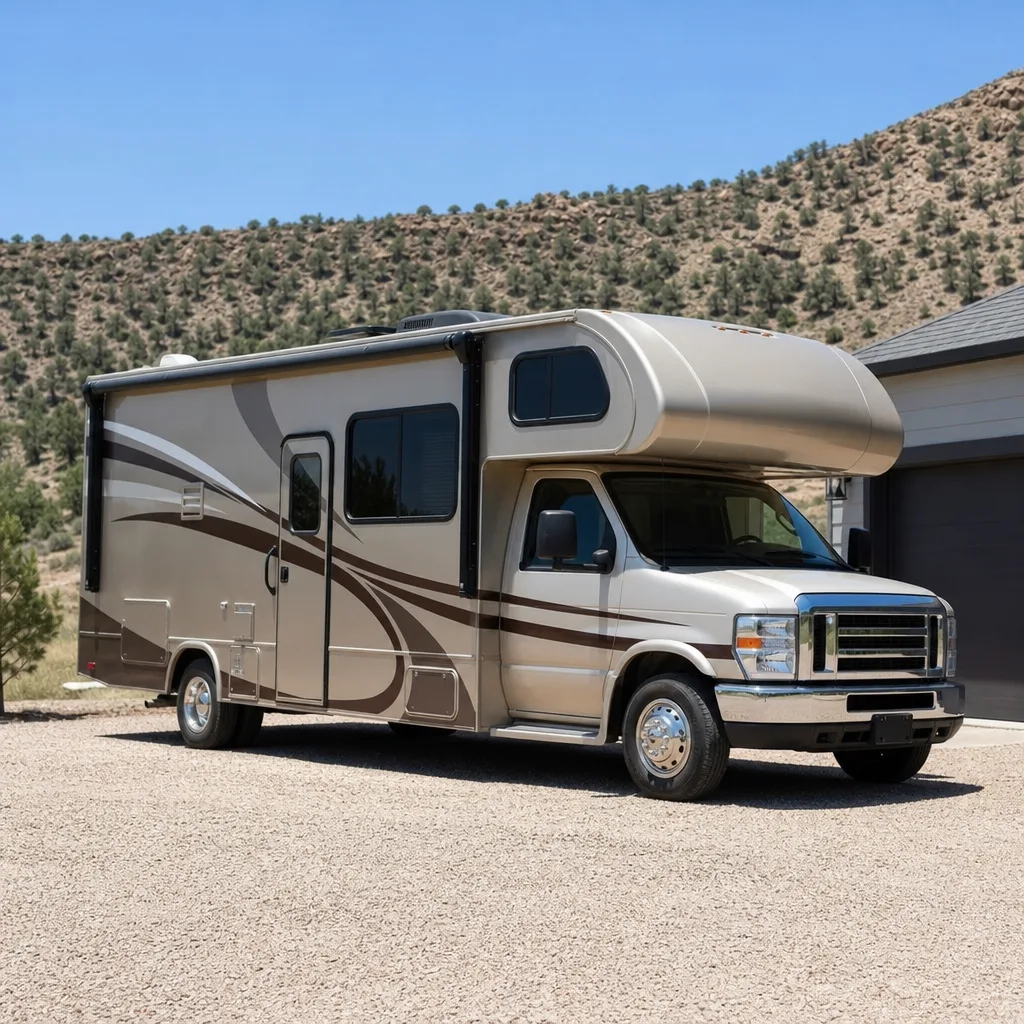
Keeping them separate works in your favor. An inspection that also promised to fix everything it found would have to charge everyone for the worst case. Most visits turn up a short list of small stuff, and you shouldn't pay for a new water heater just in case.
When a repair does come up, these are the main things that move the price up or down:
- How far the problem has gone. A cracked bead of sealant is a small job. The same crack after a summer of storms can mean soft wood, new roof decking, and a lot more labor.
- Parts. Common parts like fittings, fuses, and detectors are cheap and easy to find. A specific furnace board or a fridge part for an older rig can cost more and take longer to get.
- Labor time and access. Some jobs take ten minutes. Others need panels pulled, cabinets emptied, or a long stretch on the roof.
- How the shop prices labor. Some RV techs charge by the hour. Others use flat rates for common jobs. Mobile services may also have a trip or service-call charge, so ask how that works.
- Whether it's an emergency. A fix you plan on a Tuesday in your driveway usually costs less than one you need fast at a campground on a holiday weekend.
The first item on that list is the reason seasonal inspections pay for themselves. The repair bill is mostly set by how long a problem goes unnoticed. A drip under the sink caught in October is a fitting. If nobody finds it until April, it can be a fitting, a subfloor, and a smell you'll remember. Water damage doesn't care about your budget, and it works around the clock.
That's also why the "fix now, watch it, it's fine" list from each visit matters. It turns repairs into choices you can plan for. You can handle the urgent item now and budget for the tires next spring, instead of finding out about everything at once on the side of I-15.
Whoever you hire, get a clear quote before any repair starts, and make sure you know what the inspection covers and what it doesn't. If that conversation feels like pulling teeth, take it as a sign of how the rest will go. We'd rather you know exactly where your money goes and decide for yourself, because a customer who isn't surprised by the bill is a customer who calls us back next season.
Call Benny's RVMobile Service to Your Storage Lot or Campground
We're a mobile service, so the inspection comes to your RV. That could be your driveway, a storage lot, or a campsite. You don't have to hitch up, burn fuel, or drag a rig that's been sitting for months down the road just to find out whether it's ready.
That matters more than it sounds. A seasonal inspection is partly there to tell you if the rig is safe to tow. Tires that sat all winter can crack or get flat spots. Brakes and bearings don't get any happier from sitting either. Making you tow the RV across town to get that answer is a lot like driving yourself to the eye doctor to find out if you can see well enough to drive. It works right up until it doesn't.
If your rig lives on a storage lot, a little prep makes the visit go smoother:
- Check the lot's rules. Some storage lots want you to tell the office before an outside tech works on site, or they only allow it during certain hours.
- Sort out access. Have the gate code ready, or plan to meet us there.
- Leave some room around the rig. A tech needs space for a ladder to get on the roof and room to open the outside compartments.
- Have keys for every lock. That includes the door, the baggage doors, and anything locking up the propane tanks or battery box.
- Know your power situation. If the space has a shore power hookup, say so. If it doesn't, the batteries carry the testing, so a dead battery is useful to know about ahead of time.
- Write down what you've noticed. A weird smell, a slow drip, a breaker that keeps tripping. Small clues help us know where to look first.
Campgrounds work about the same way. If you're parked for the season or living in your rig full time, check with the campground office or host about outside techs before the visit. The upside of a campsite is hookups. With water and power connected, it's easier to test the water system, the water heater, and the electrical side under real working conditions.
A word about Cedar City wind. Nobody does good roof work while hanging onto a ladder in a spring gust that wants to send the sealant gun toward Parowan. If the forecast looks rough, a calmer morning is usually the better choice for anything up top. It's safer, and you get a better look at the seams.
One honest point about mobile work in general: not every fix can happen on the spot. Some repairs need a part that has to be ordered, especially on older rigs. In that case, the visit still did its job. You know what's wrong, what the repair costs, and you can plan it before the season makes it worse. If you'd rather keep everything in one place, repairs can also happen right where the rig sits, whether that's at home, on a storage lot, or at a campground.
Call nowWho Should Skip This Membership for Now
A membership isn't for everybody, and we'd rather tell you that now than have you pay for visits you don't need. Here's who can skip it, or at least wait a while.
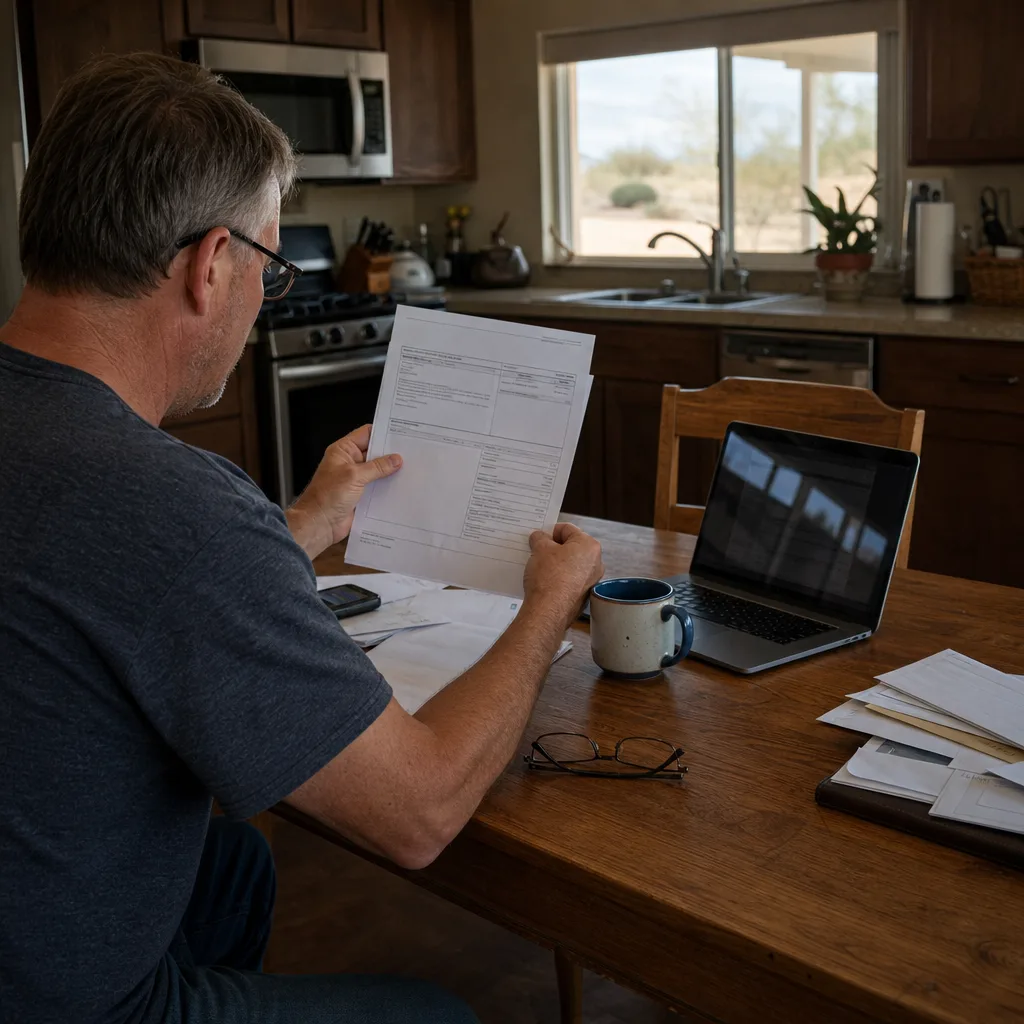
You do your own checks, and you do them. Some owners are handy, own a ladder, and really climb up there every spring and fall. If you already check your roof seams, test your detectors, look at tire date codes, and drain your lines before the first freeze, you've got the routine down. A membership would mostly be paying someone to agree with you. Just be honest about the "do them" part. Plenty of people plan to check the roof in May and remember in October, right about when the ceiling stain shows up.
Your RV lives indoors. A rig parked in a covered, enclosed building doesn't take the same beating from sun, wind, and freezing nights as one sitting out on an open lot. Less weather means less seasonal damage. One good inspection a year, timed before you start using it, may be all you need. Tires and batteries still age inside a building, so they still need a look.
You're leaving town for the cold months. If you head south every fall and don't come back until spring, Cedar City's freezing nights aren't your rig's problem. A seasonal plan built around our weather doesn't match how you use the RV. A Pre-Trip RV Inspection before you roll out makes a lot more sense.
You're selling soon, or you just bought. If the RV is going up for sale this year, one Seasonal RV Inspection before you list it is plenty. It helps you know what a buyer will find. If you're shopping for one, get a Pre-Purchase RV Inspection before you sign anything. Signing up for a year of visits on a rig that might not be yours in three months doesn't add up.
Your rig is brand new and still covered. As covered above, warranty repairs go through the dealer. During that first stretch, a lot of what an inspection finds ends up at the dealer anyway, so a single check before the coverage ends may serve you better than a full membership.
You already know about a big problem. If the roof is soft, the fridge is dead, or the furnace won't light, an inspection membership isn't the next step. Get that repair handled first. Paying for a checkup on a rig with a known major issue is like going for a routine teeth cleaning with a broken jaw. Fix the big thing, then think about keeping it from happening again.
The RV mostly just sits. If it hasn't moved in two years and you're not sure it will, a membership is more care than it needs. A winterization in the fall keeps the water system from freezing, and you can look at more when you're ready to use it again.
Here's the simple test. A membership pays off when your RV sits outside in Cedar City weather, gets used across more than one season, and you're keeping it for a while. If that's not you right now, a one-time inspection or a single job is the smarter buy, and that's what we'd tell you if you asked us.
Frequently Asked Questions
How long does a seasonal inspection visit usually take?
It depends on how your RV is set up and what the season calls for, since a fall visit focused on winterizing the water system is a different job than a spring start-up check. A rig with hookups at a campground is often quicker to test than one sitting dry on a storage lot, since power and water are already connected. Either way, the visit covers the whole rig, not just one quick glance.
Can you inspect my RV while it's parked in a storage lot instead of at my house?
Yes, we come to wherever your RV is parked, including a storage lot or campsite. Before the visit, check your lot's rules, since some storage facilities want advance notice or only allow outside techs during certain hours. Have your gate code ready and leave room around the rig for a ladder and open compartment doors.
What if the inspection finds a problem that needs a part you don't have on hand?
If a repair needs an ordered part, especially on an older rig, the inspection still did its job by catching the problem early. You'll know what's wrong and what it will cost before the next season makes it worse. That's often better than finding the same issue months later as a bigger repair, like a slow drip that turns into a soft subfloor.
Will you check my RV's batteries if it doesn't have shore power hooked up where it's parked?
Yes, but let us know ahead of time if there's no shore power, since the batteries carry all the testing in that case. A dead battery on arrival limits what we can check that visit, so it helps to mention your power situation when you schedule. This is one of the prep details that makes a storage-lot visit go smoother.